




Tracing the ancient towers
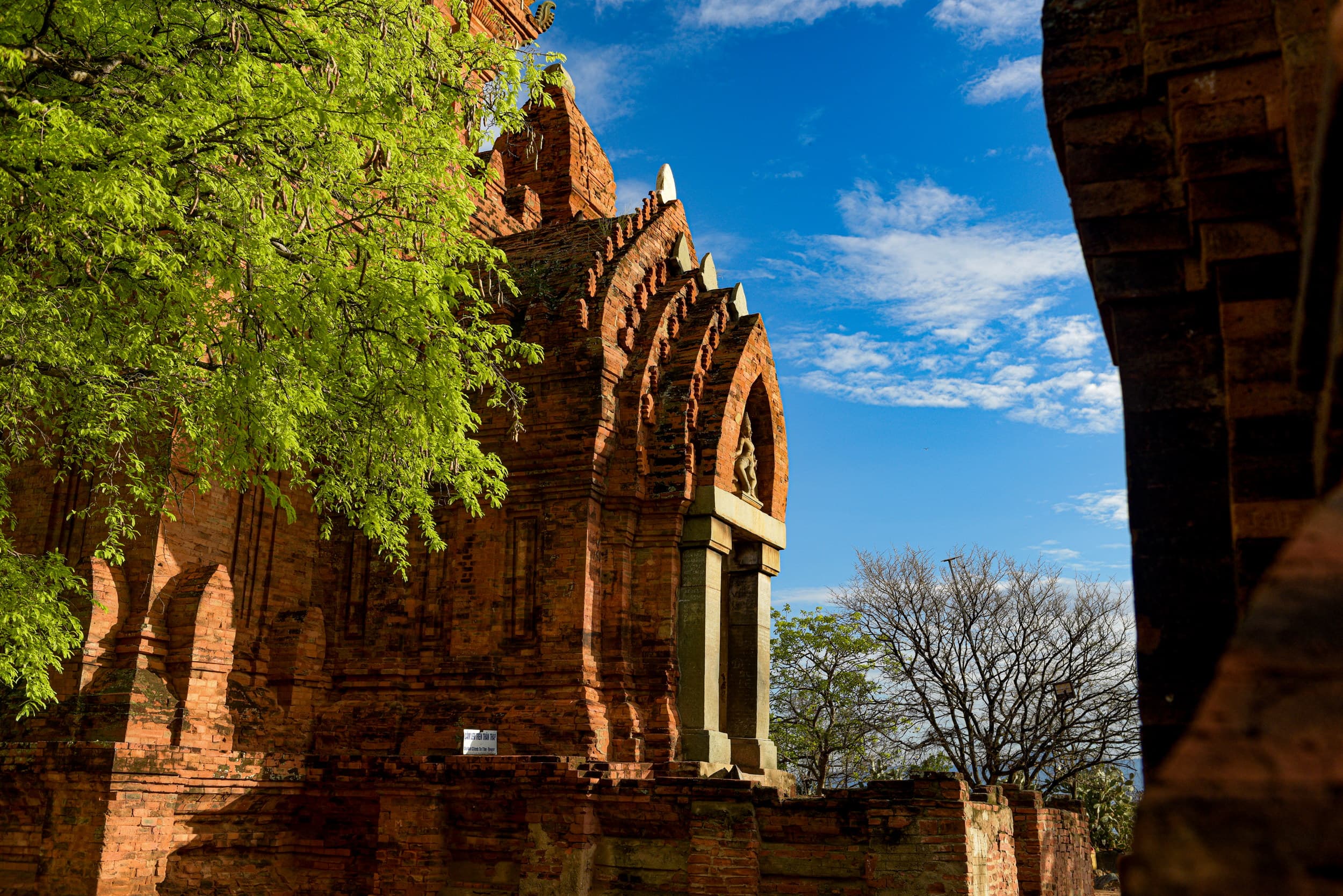
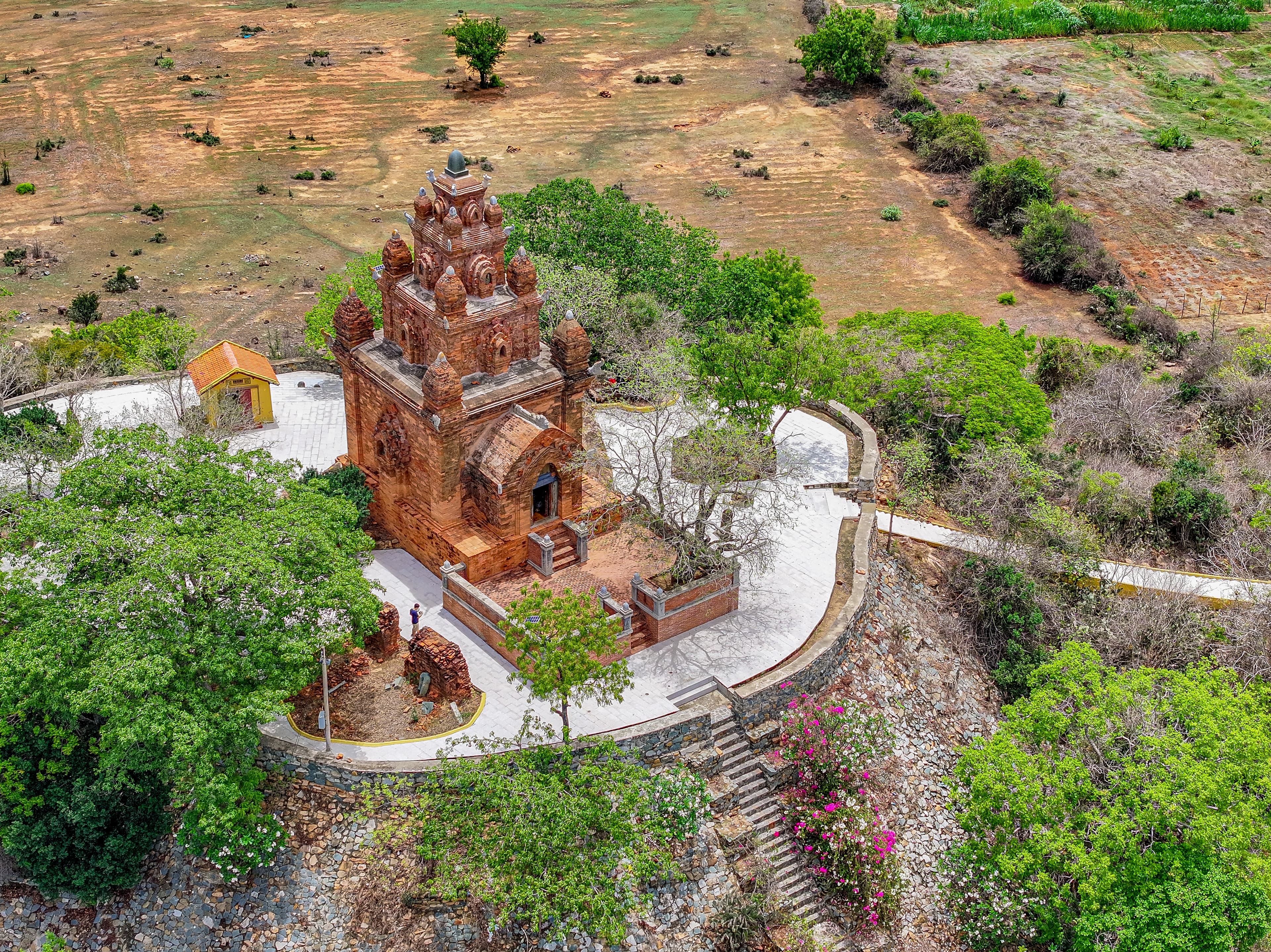
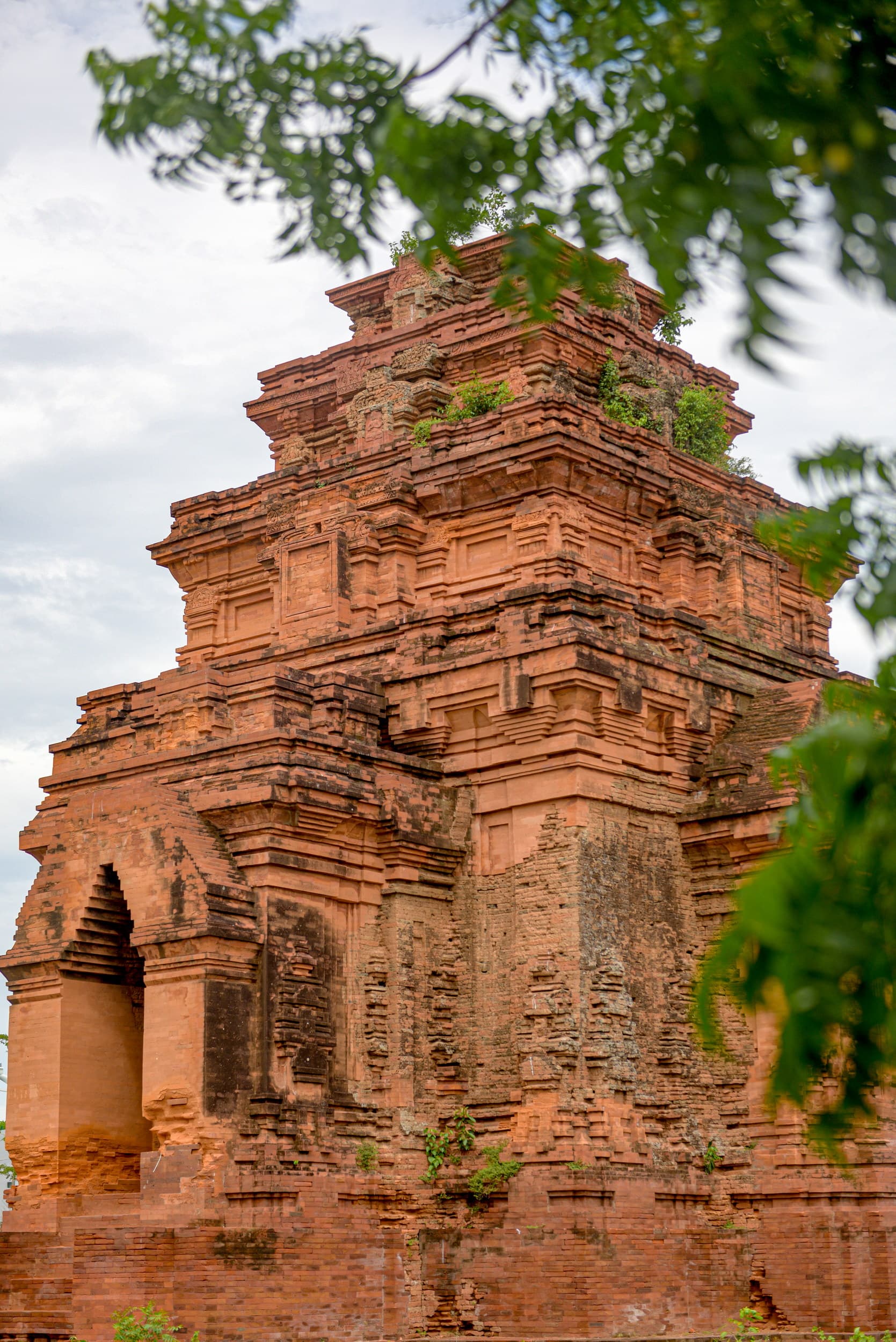
Explore the sacred Cham towers, where historical memories, spiritual beliefs, and unique architectural imprints are preserved.
Cham cultural heritage truly comes alive when the community is involved, takes pride in, and benefits from its own cultural values. Preservation is not about keeping the past in a static frame, but about ensuring that Cham culture continues to exist, tell its stories, and shine in contemporary life.
Explore the heritage, beliefs, art, and community life of the Cham people through a visual, intimate, and emotionally resonant journey.
The Cham Culture website is a digital space that showcases the unique values of the Cham community in the land of Khanh Hoa. From archaeological remains, inscriptions, stone statues, and ancient towers to music, costumes, festivals, pottery, weaving, and religious life, each piece of content on the website offers a vivid glimpse into Cham history, culture, and identity.
With its visual, accessible, and narrative-driven presentation, the Cham Culture website serves as a starting point for travelers, students, researchers, and heritage enthusiasts who wish to gain a deeper understanding of an ancient, unique culture that remains vibrant in contemporary life.
Heritage is not merely to be observed, but to be practiced, performed, and passed on.


From the land of sun-drenched towers to the community of today
The Cham cultural space spans across many regions, particularly in areas where Cham communities reside, such as Khanh Hoa, Gia Lai, Dak Lak, Lam Dong, Tay Ninh, An Giang, and Ho Chi Minh City. Each region possesses its own unique character, creating a diverse cultural tapestry that encompasses mountainous areas, plains, coastal regions, and the Southern delta.
In that space, Khanh Hoa is highlighted as a region rich in Cham heritage, featuring iconic landmarks such as the Po Nagar Cham Towers, the Xom Bong area, as well as various festivals, traditional craft villages, and cultural exchange activities. This is a place where heritage is not only observed but also practiced, performed, passed down, and introduced to both domestic and international audiences.
"Heritage is not just observed, but actively practiced, performed, and passed down."


Memories of red brick and faith
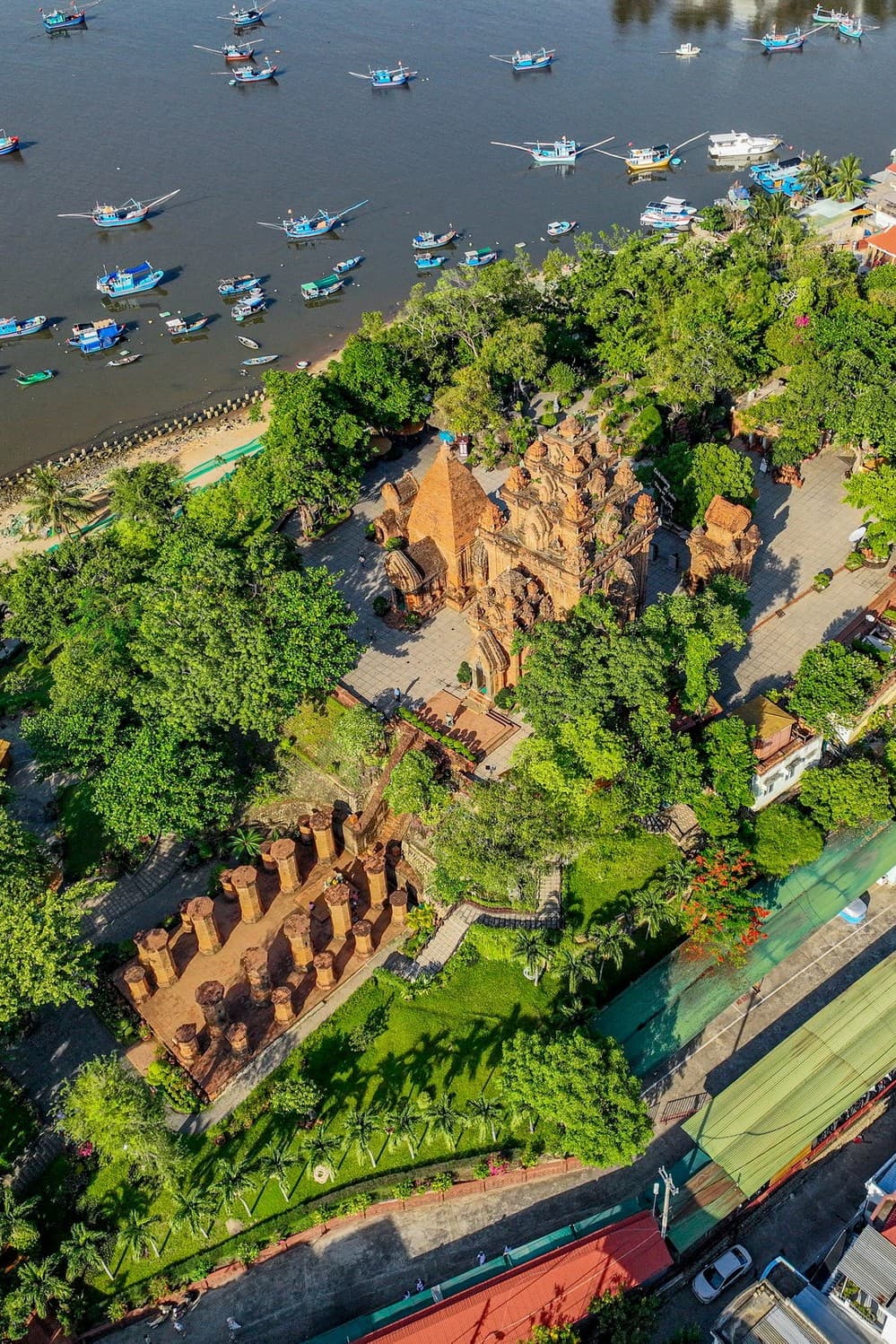
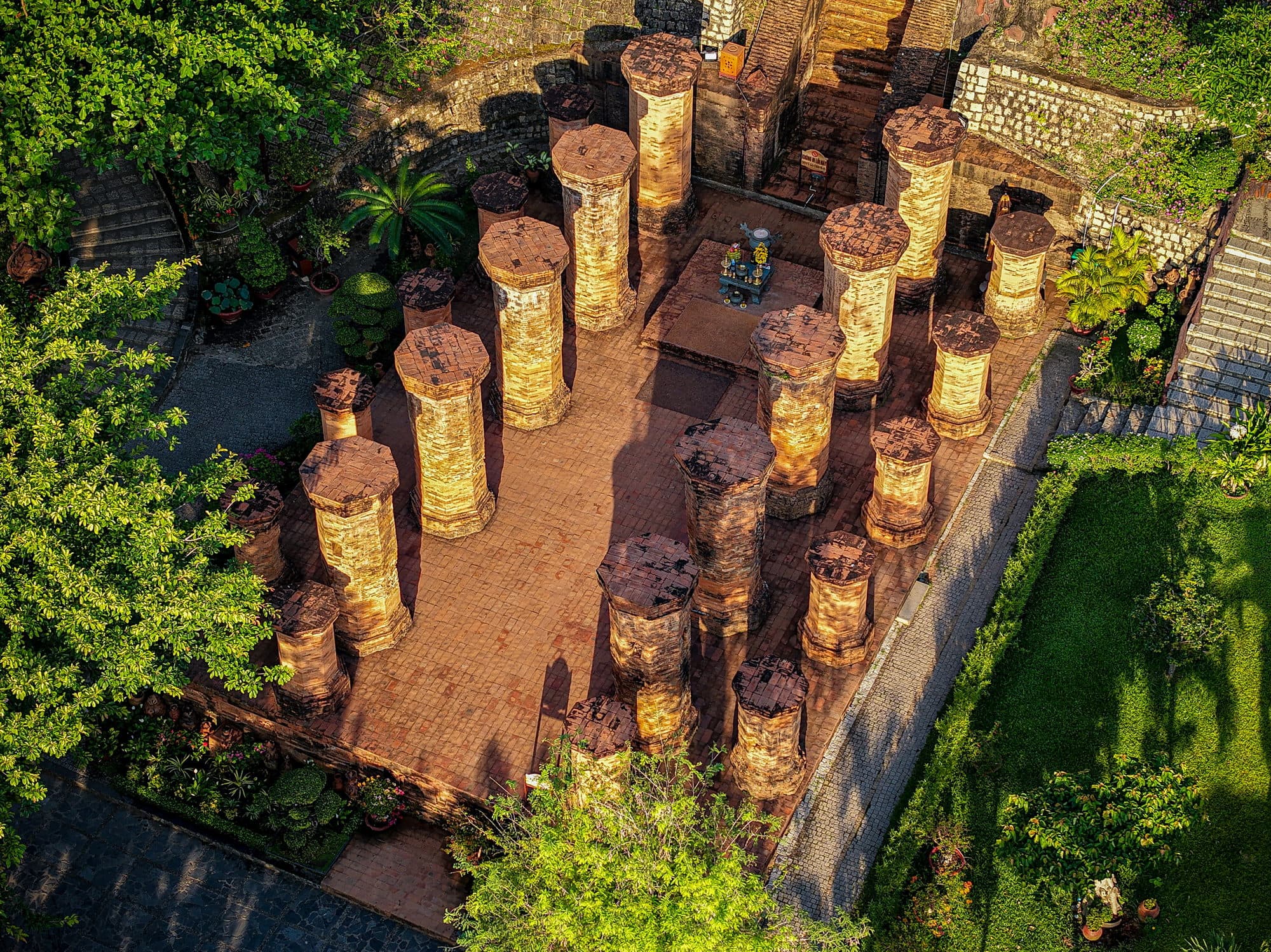
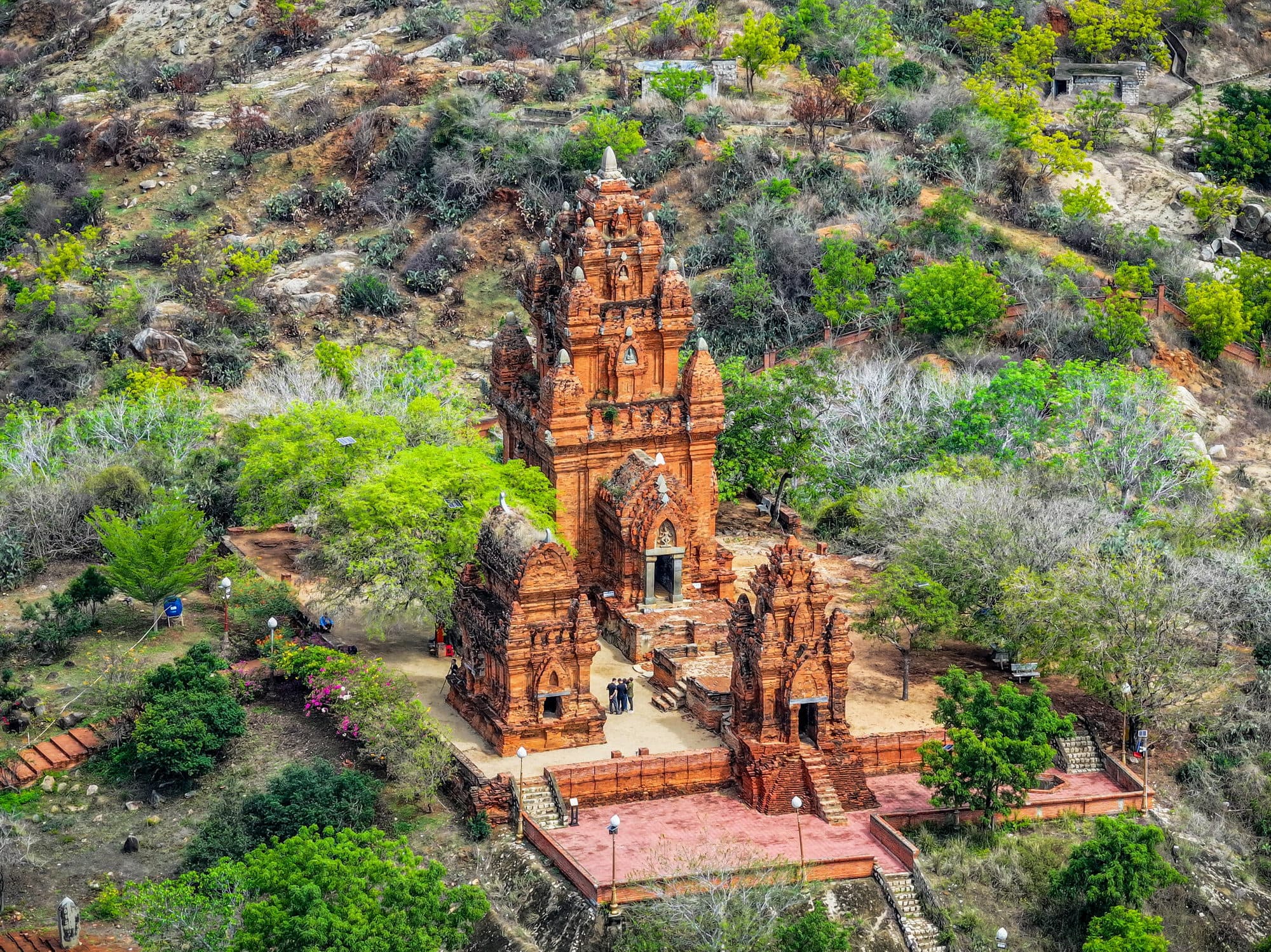
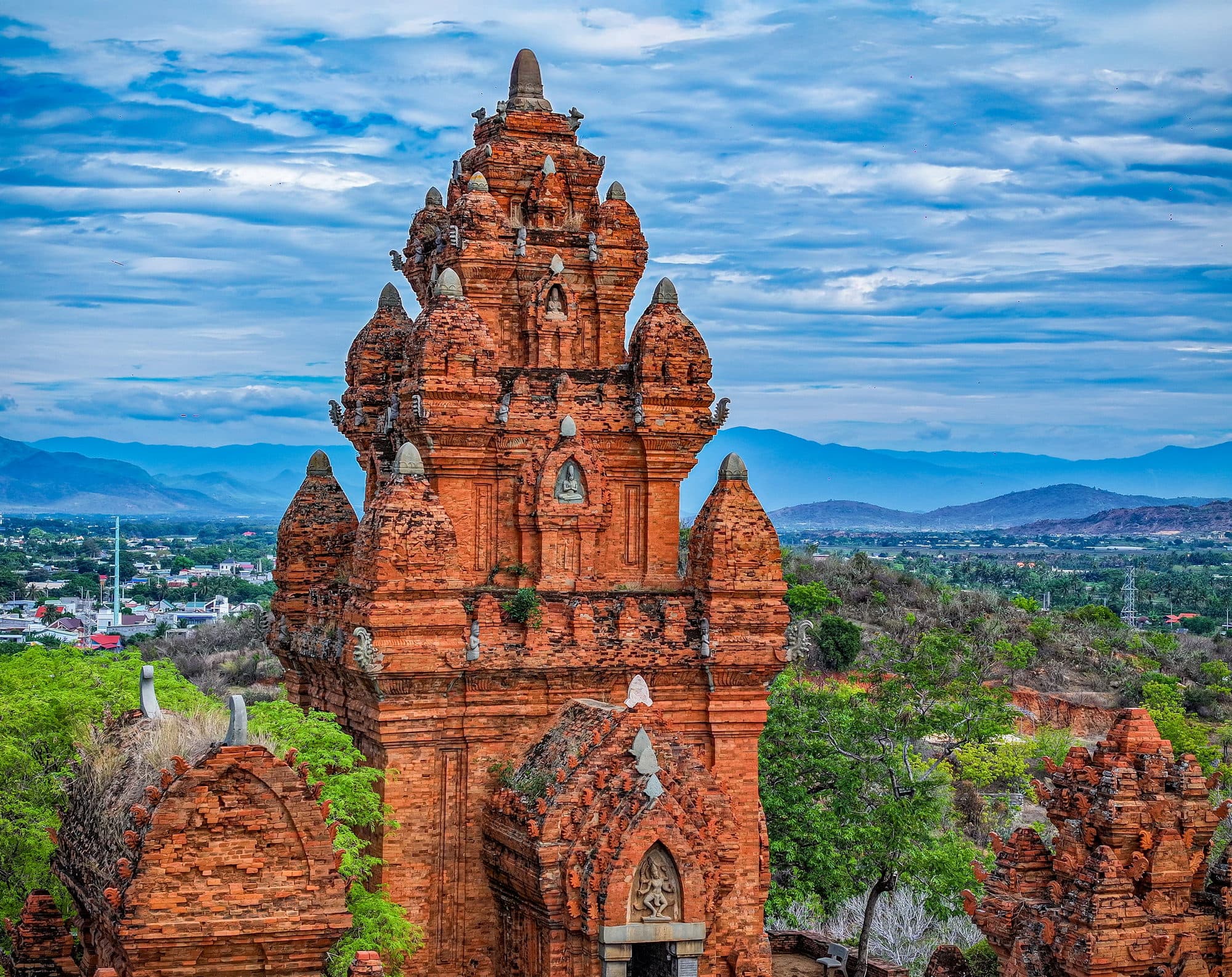
Cham towers are prominent symbols of Cham cultural heritage. Structures such as Po Nagar Tower, Po Klong Garai, and the various Cham tower clusters along the central coast possess not only architectural and artistic value but also serve as sacred spaces deeply connected to the beliefs, legends, and spiritual life of the community.
Each tower is an "open museum" that preserves the imprints of construction techniques, artistic sculpture, religious symbolism, and community memory. Conserving Cham towers is not merely about the physical restoration of the structures, but also requires safeguarding the surrounding cultural context: rituals, festivals, folklore, community life, and the ways in which the Cham people continue to remain connected to their heritage.


Festivals, music, and the artisan's touch
Cham culture shines brightly through its intangible heritage: the Kate festival, folk songs, folk dances, fan dances, water-carrying dances, fire-carrying dances, Apsara dances, drum dances, scarf dances, and a system of traditional musical instruments such as the Ginang drum, Baranung drum, Saranai trumpet, Kanhi lute, and gongs.
Alongside performing arts, craft villages such as Bau Truc pottery and My Nghiep brocade weaving are also vital "lifeblood" of the heritage. There, artisans do not merely create products, but also preserve the knowledge, skills, aesthetics, and memories of the craft passed down through generations.
Promoting heritage values
Cham culture holds great potential for heritage tourism development through tours of ancient towers, craft villages, festivals, art performances, culinary experiences, and community engagement.
However, tourism development must go hand in hand with sustainable conservation: respecting sacred spaces, avoiding excessive commercialization, and ensuring the participation rights and benefits of the Cham community.


Cham culture is not only preserved in ancient towers and artifacts, but also lives on in every ritual sound, every traditional craft, and the memories passed down by the community through generations.

To keep the colors of Cham culture shining bright
Preserving Cham culture in the new era must be viewed from the perspective of sustainable development: safeguarding identity, respecting the community as the primary stakeholder, and creating opportunities for heritage to engage with education, cultural tourism, digital media, and creative exchange. Heritage only truly lives when the community is involved, takes pride in, and benefits from its own cultural values.
Three stages — one legacy
Explore the sacred Cham towers, where historical memories, spiritual beliefs, and unique architectural imprints are preserved.
Experience Cham craft villages, festivals, music, traditional attire, and community life within an authentic cultural setting.
Each destination is not just for sightseeing, but also for understanding, appreciating, and joining hands to preserve Cham cultural values today.
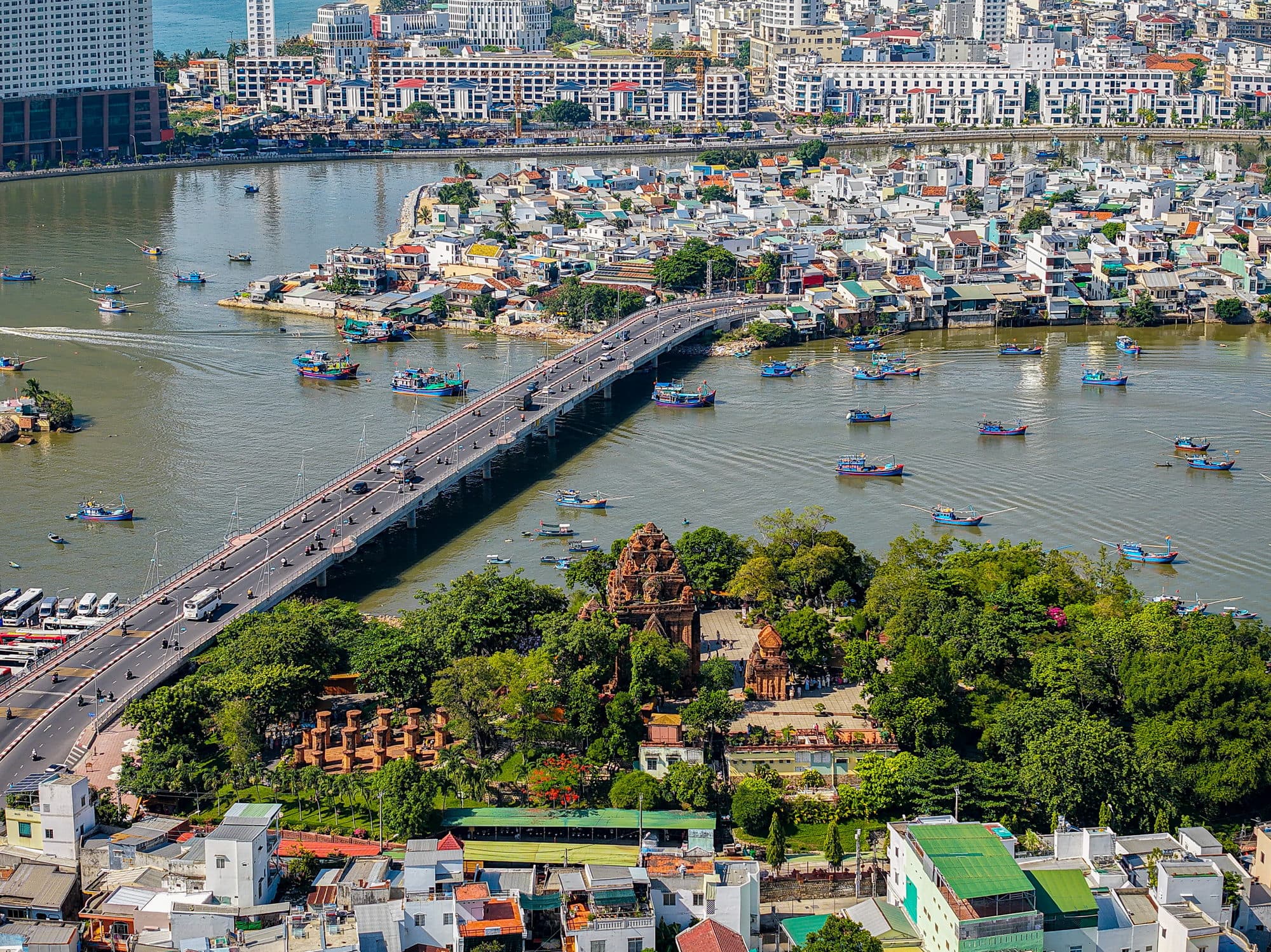
The journey of Cham cultural tourism in Khanh Hoa opens up a trip from the sacred Po Nagar Cham Towers by the Cai River to ancient tower sites, traditional craft villages, and festivals rich in identity.
Explore the geographical locations of the temples, shrines, research centers, and museums that house typical ancient artifacts of the Cham cultural heritage in Khanh Hoa.
Look closer - listen deeper
Unique features in the architecture and sculpture of Po Nagar Cham Towers
The unique architectural complex of Po Nagar Cham Towers - Cultural heritage of Khanh Hoa
In the new era, Cham culture needs to be spread through accessible forms such as websites, digital maps, virtual exhibitions, documentaries, image libraries, short videos, multilingual audio guides, and heritage education programs.
Digitization does not replace the original heritage but helps store, access, and spread it wider. When ancient towers, festivals, music, craft villages, and community stories are vividly presented in the digital space, Cham culture will come closer to the younger generation, tourists, and international friends.
Colors of Cham – Living heritage, shining through time.
